

More Interesting Blogs & Tips on Physiotherapy & Rehabilitation

Oct
22
If you are living with thalassaemia, you may wonder whether exercise is safe, which activities are b...

Oct
14
Jaw pain can make simple activities such as eating, talking, yawning and even sleeping uncomfortable...

Oct
07
Arthrosamid Injection for Knee Arthritis Knee osteoarthritis can cause pain, stiffness, swelling and...

Sep
22
If you regularly drive along the North Circular, A10, or through busy North London traffic, you may ...

Sep
15
Osteoporosis is a common condition in the UK, particularly affecting women over 50, but it can impac...

Sep
07
Jaw pain can be frustrating -especially when it starts affecting eating, talking, yawning or even sl...

Aug
24
If you are experiencing jaw pain, clicking, stiffness, headaches or difficulty opening your mouth, y...

Aug
14
Menopause affects every woman differently, but one of the most common and frustrating symptoms we se...
Aug
05
Osteoporosis is one of the most common bone conditions in the UK, yet many people are unaware of the...

Jul
21
If your child is active in sports like football, gymnastics, or athletics and begins to complain of ...

Jul
15
When you experience persistent joint pain, tendon problems, or sports injuries, imaging can help ide...

Jul
06
Hybrid working has become the new normal for many professionals. While working partly from home and ...
Jun
17
Chronic tendon and soft tissue injuries can be frustrating. Many people live with conditions such as...

Jun
11
Preparing for surgery often focuses on the procedure itself, but an important part of successful rec...

Jun
04
A complete guide from Southgate Physio Choosing the right physiotherapist can make a huge difference...

May
19
Injections are commonly used to treat many musculoskeletal conditions, including joint inflammation,...
May
08
Knee osteoarthritis can make everyday activities like walking, climbing stairs, exercising, or even ...

May
05
Padel Injuries Treated in Southgate, London Padel is rapidly growing across London, but with increas...

Apr
20
Living longer is one of the great successes of modern healthcare. But increasingly, people are not o...

Apr
14
Padel tennis is one of the fastest growing sports in the UK, with more people discovering its fast p...

Apr
07
Smartwatches and fitness trackers have become popular tools for monitoring health and activity. They...
Jan
13
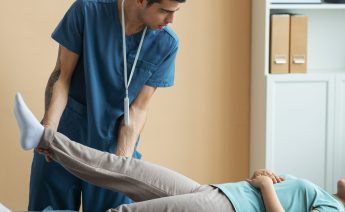
Physiotherapy isn’t just for injury recovery – it plays a vital role in maintaining long-ter...
Jan
08
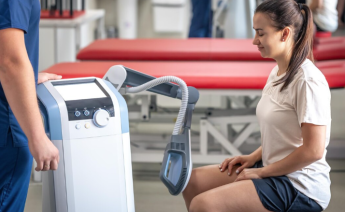
When you’re in pain, getting the right diagnosis quickly makes all the difference. Traditional ass...
Dec
26
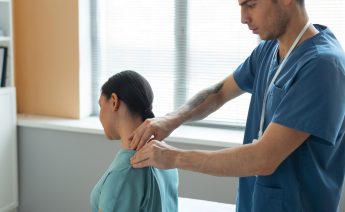
Shoulder pain is one of the most common reasons people seek physiotherapy. From sports injuries to e...

Dec
23
Chronic pain and inflammation can limit mobility, disrupt sleep, and affect your quality of life. Wh...

Dec
10
Whether you’re a weekend runner, football enthusiast, or competitive athlete, staying injury free ...
Nov
21
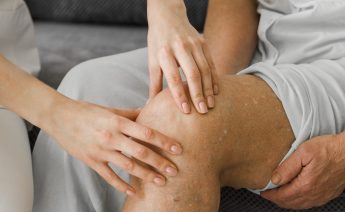
Joint pain can affect everything from walking and climbing stairs to enjoying sports and hobbies. Wh...

Nov
17
Arthritis affects millions of people worldwide, often leading to stiffness, swelling, and persistent...
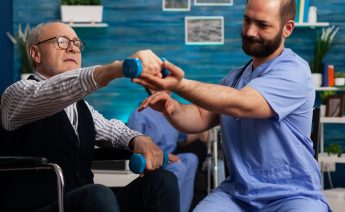
Nov
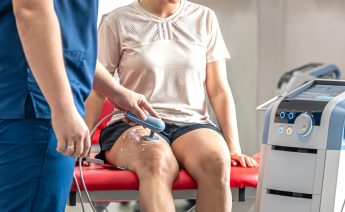
13
Recovering from surgery isn’t just about healing the wound – it’s about regaining strength...
Nov
06
When it comes to musculoskeletal (MSK) injuries, an accurate diagnosis is the foundation of effectiv...

Oct
28
Frozen shoulder, also known as adhesive capsulitis, is a painful condition that restricts movement i...
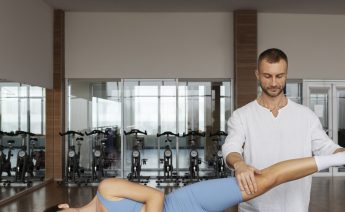
Oct
16
When recovering from an injury, building strength, balance, and mobility is essential. At Southgate ...
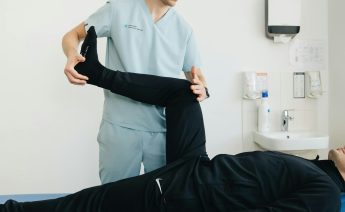
Oct
14
Living with chronic pain can feel overwhelming, especially when symptoms persist for months or even ...

Jul
23
Osteoarthritis (OA) is one of the most common causes of joint pain and stiffness, particularly in th...

Jul
11
Expert Diagnosis, Rehabilitation & Ultrasound Imaging at Southgate Physio Running is one of the ...

Jul
04
Southgate Physio’s Expert Support – In Clinic and at Home Undergoing a hip or knee replaceme...

Jun
25
Why Lower Back Pain Is So Common Lower back pain affects millions of people and is one of the leadin...

Jun
18
A Southgate Physio Approach Including Ultrasound-Guided Injections (USGI) Shoulder pain is one of th...

Jun
11
Accurate MSK Assessment and Advanced Ultrasound-Guided Solutions in North London When you’re d...

Jun
02
When you’re dealing with pain, injury, or mobility issues, choosing the right healthcare profe...

Feb
21
At Southgate Physio, we are committed to offering cutting-edge care that accelerates healing, restor...

Feb
14
People of all ages often suffer from knee discomfort, which frequently makes everyday activities and...

Feb
07
Back pain is one of the most common reasons people seek medical and physiotherapy care. It can stem ...

Jan
30
When it comes to your health and recovery, choosing the right physiotherapy clinic can make all the ...

Jan
23
Rotator cuff surgery is a precise procedure aimed at repairing damaged tendons in the shoulder. Howe...

Jan
15
Although recovering from knee replacement surgery can seem overwhelming, you can regain your strengt...

Jan
07
Tennis elbow, or lateral epicondylitis, is a painful condition caused by overuse or repetitive strai...

Dec
30
It’s normal to be interested or perhaps a little nervous about what to expect from your first ...

Dec
20
At Southgate Physio Clinic in North London, we’re committed to providing effective, evidence-based...

Dec
13
Sciatica is a painful condition that can significantly impact daily life. It happens when there is i...

Dec
06
Shoulder pain is a frequent problem that can affect people of all ages, impairing daily activities a...

Nov
29
Foot health and strength are essential for general mobility and well-being. For individuals who enga...

Nov
22
Effective treatment starts with a precise diagnosis, especially for musculoskeletal disorders like b...

Nov
15
Neck pain can be debilitating and interfere with day-to-day activities. If you’re thinking abo...

Nov
08
Everyday life can be disrupted by shoulder pain, which can make even small chores seem daunting. Res...

Nov
01
Anyone, from office workers to athletes, can have neck pain, which is a widespread problem. It may b...

Oct
24
Back pain is one of the most common complaints among people of all ages, often affecting mobility an...

Oct
17
Whether from overuse, chronic illnesses like arthritis, or injuries, knee discomfort is a frequent p...

Oct
10
We at Southgate Physio are aware that not everyone is able to attend physiotherapy treatments in a c...

Oct
03
Foot injuries are a prevalent problem that can have a big effect on our day-to-day activities. Anybo...

Sep
27
It’s essential to keep your shoulders strong and mobile for everyday tasks and general health....

Sep
19
Plantar fasciitis can be a debilitating condition, causing heel pain that affects daily activities a...

Sep
12
ACL injuries are a major worry for those who are physically active and athletics. At Southgate Physi...

Sep
05
Rotator cuff tears are a common shoulder injury that can lead to significant pain and functional imp...

Aug
28
Achilles tendon ruptures are debilitating injuries that can significantly impact mobility and qualit...

Aug
21
At Southgate Physio, we are committed to providing our patients with the latest and most effective t...

Aug
13
Plantar fasciitis can be a debilitating condition, causing heel pain that affects daily activities a...

Aug
06
Here at Southgate Physio, which is in North London, we use the cutting-edge method of ultrasound-gui...

Jul
29
At Southgate Physio a Private Physiotherapy Clinic, we’re dedicated to giving our patients the...

Jul
22
Degenerative disc disease (DDD) is a common condition that affects the spine and can cause significa...

Jul
12
Soft tissue injuries are frequently sustained due to a variety of activities, including sports, acci...

Jul
04
As part of our dedication to offering individualised care and customised treatment programmes, we at...

Jun
27
We are excited to introduce Injection Therapy and Musculoskeletal Ultrasonography services at Southg...

Jun
25
At Southgate Physio, we understand how debilitating Tensor Fasciae Latae (TFL) pain can be. The musc...

Jun
18
Osteoarthritis makes daily living difficult and can impair comfort, movement, and general well-being...

Jun
11
Pain in the sacroiliac joint can be quite incapacitating, impairing one’s movement, comfort, a...

Jun
04
One’s quality of life can be greatly impacted by chronic pain, which can also have an adverse ...

May
27
Technological developments in the field of medical diagnostics are constantly changing the way we ap...

May
20
For athletes of all levels, sports injuries can be a frequent and frustrating occurrence. Whether yo...
May
13
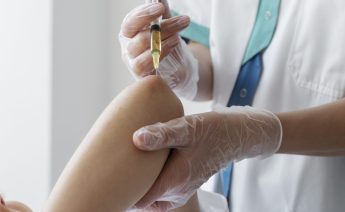
Hyaluronic acid is a remarkable substance known for its multifaceted benefits, from promoting skin h...
May
02
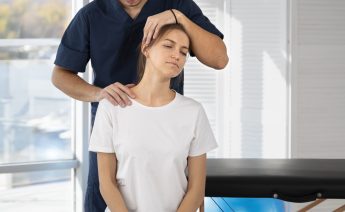
Millions of people worldwide suffer from musculoskeletal disorders (MSDs), which include pain and im...

Apr
23
Tennis elbow, sometimes referred to as lateral epicondylitis, is a painful ailment that affects the ...
Mar
21
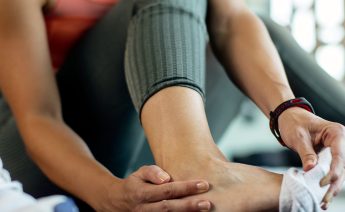
At Southgate Physio Clinic, we frequently encounter patients whose lives have been momentarily disru...

Mar
13
A successful fitness regime often lies in the simplicity of the exercises it incorporates. Among the...

Mar
06
As healthcare providers dedicated to alleviating discomfort and promoting functional well-being, the...

Feb
28
Physiotherapy encompasses a wide range of specialties, all of which work to promote healthy movement...

Feb
21
The menisci are two C-shaped pieces of cartilage that sit between your shinbone and thighbone and se...

Feb
14
Although many people are affected by bursitis, which is a disorder that is not well-known outside of...
Feb
07
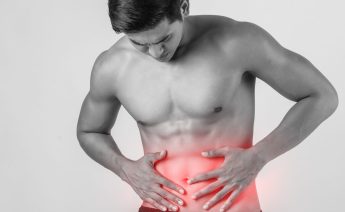
Even though Diastasis Rectus Abdominis (DRA) may not be a well-known ailment, it affects a lot of pe...

Jan
31
Your shoulder’s acromioclavicular joint, also known as the AC joint, is an essential component...

Jan
24
Chronic pelvic pain is a common problem and presents a significant challenge to healthcare providers...
Jan
15
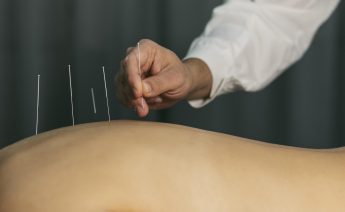
If you’re struggling with pain, you may be searching for effective methods to manage your symp...
Jan
08
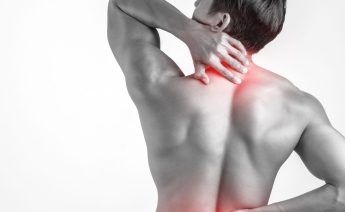
Shoulder discomfort can cause inconvenience and hinder your day-to-day tasks. The good news is that ...

Dec
27
Physiotherapy is a form of treatment that involves the use of physical methods such as exercise, mas...
Dec
14
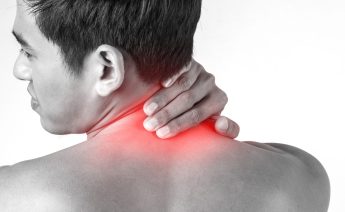
Acute neck pain is more common than you think. According to research, up to 70% of adults will exper...
Dec
07
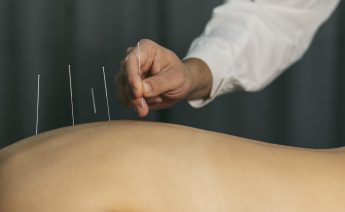
This blog explores the ancient practise of acupuncture in Chinese medicine, which has stood the test...

Nov
30
Consider using manual physiotherapy if you’re looking for an effective way to manage your chro...

Nov
22
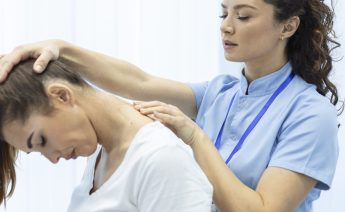
Manual physiotherapy is a crucial aspect of physiotherapy that involves hands-on techniques to diagn...
Nov
15
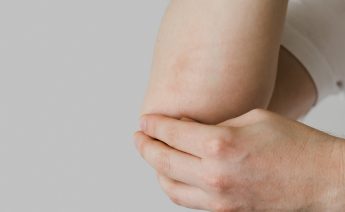
Shoulder impingement is a common physical ailment that compresses the rotator cuff tendons, causing ...
Nov
06
Tennis elbow, clinically known as lateral epicondylitis, is a common condition that affects not only...

Nov
01
Plantar fasciitis is a common condition characterised by pain and inflammation in the plantar fascia...

Oct
25
Arthritis affects millions worldwide and may significantly restrict their everyday lives by producin...

Oct
17
Surgery could be the most critical part of the treatment process; however, this is true that Post-su...

Oct
10
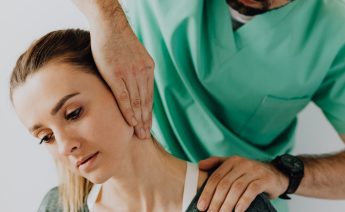
Physiotherapy and exercise are typically first-line treatments for acquiring relief from pain whilst...
Oct
03
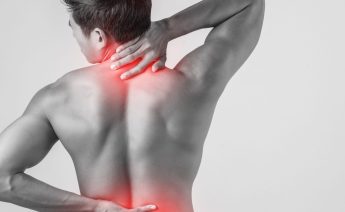
The new age of working has given rise to occasional neck pain and stiff neck. Almost two-thirds of p...
Sep
25
The modern-day lifestyle has caused many individuals to be more prone to experiencing musculoskeleta...
Sep
18
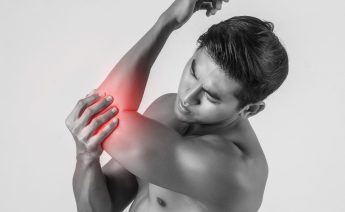
An elbow fracture causes stiffness, resulting in a reduction in the range of motion and functioning ...

Sep
11
Have you ever lost balance and suffered a foot twist whilst landing? Well, we’ve all been ther...

Sep
04
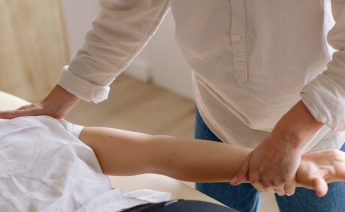
Millions of people suffer from work-related musculoskeletal disorders every year. As per studies, ar...
Aug
28
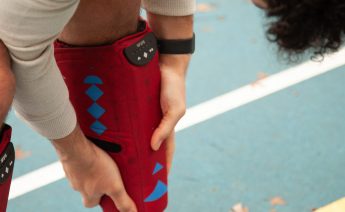
Welcome to our blog about advanced physiotherapy. Here, we will talk about the advantages and method...
Aug
21
Did you know that osteoporosis causes around 1.5 million spinal compression fractures annually in th...

Aug
14
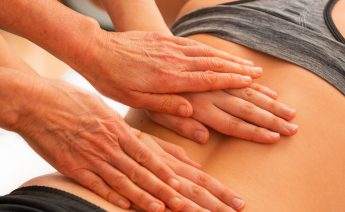
Low back pain is one of the leading health concerns of the present, especially due to our sedentary ...
Aug
07
Pregnancy is one of the most beautiful phases and needs expert-level care. Antenatal care is one of ...
Jul
31
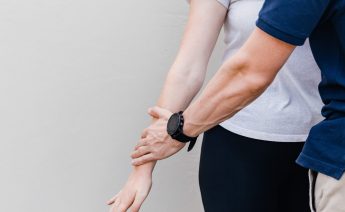
If you are experiencing any physical discomfort or pain and want to seek the help of a physiotherapi...

Jul
24
Lifelong happiness requires consistent efforts towards maintaining optimal physical well-being. Ther...

Jul
17
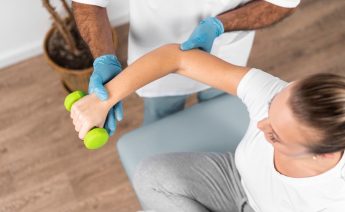
Shoulder health can be greatly improved by incorporating scapular retractions into your fitness and ...
Jul
11
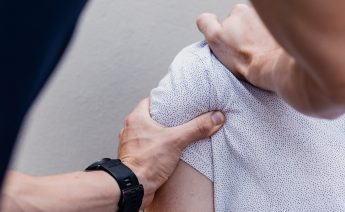
Tennis elbow occurs as a result of inflammation or injury to the common extensor origin at the Elbow...
Jul
05
Physical exercise gains greater significance as we grow older. Older individuals can benefit signifi...

Jun
29
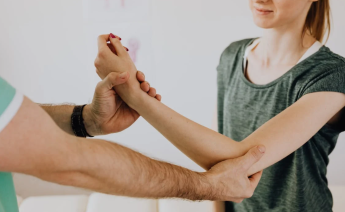
Is acupuncture the miracle remedy for everything? For those new to holistic treatment, acupuncture c...
Jun
23
Definition of Frozen Shoulder Adhesive capsulitis, also known as frozen shoulder, is a medical condi...

Jun
19
Modern work routines have undergone a seismic shift whilst transforming the pattern of working. It h...

Jun
14
Extracorporeal shockwave therapy (ESWT), commonly known as shockwave therapy, is a minimally invasiv...

Jun
08
Frozen shoulder is a medical condition in which a person experiences pain and stiffness in the shoul...

Jun
02
Pilates is a joyous mind-body exercise that is now well recognised worldwide for its promising healt...
Feb
01
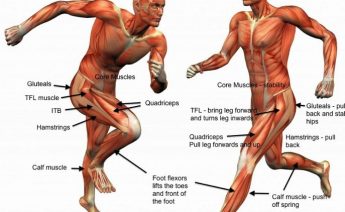
Tensor Fascia Latae or TFL is a small muscle located on the top of the hip in the human body. It hel...

Aug
08
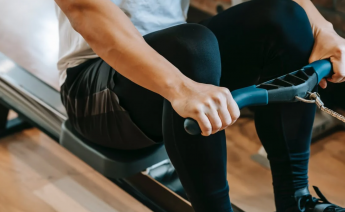
Traditionally, physiotherapists have primarily been associated with rehabilitation and recovery from...
Aug
05
Muscle strain is one of the most common types of overuse injury, especially among athletes. It occur...
Aug
04
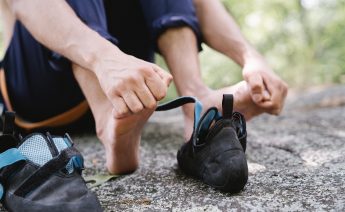
A runner’s foot constantly endures the brunt of repetitive bashing up to three to seven times the ...

Aug
03
Southgate Physio is one of the most reliable Physiotherapy clinics in North London. We offer a wide ...

Aug
02
One of the most concerns among people regarding their knees is a strange clicking sound when extendi...
Aug
01
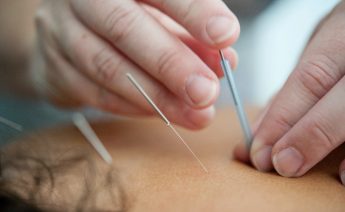
Osteoarthritis is one of the leading causes of knee pain and manifests as chronic pain, swelling, an...

Jul
28
Modern lifestyle and intensive workout regimes have made us extremely adept at scapular protraction ...
Jul
27
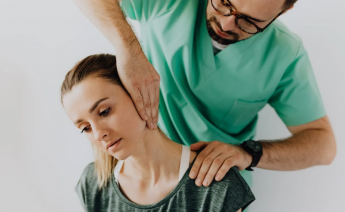
Tech neck is the fallout from the increased dependence on smartphones and computers and the poor pos...

Oct
15
Physiotherapy is an essential treatment form for thousands of individuals across the UK today. Those...

Jan
27
A branch of rehabilitative health, physical therapy makes use of uniquely designed exercises to help...

Jan
07
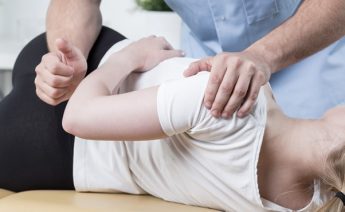
Ligaments, tendons and muscles are referred to as soft-tissues. Sometimes they become injured or str...
Jan
06
Pain is an annoyance and that is not a secret. It can hinder your overall quality of life. Medicatio...

Jan
04
Physiotherapy takes a holistic approach to healing. It goes beyond one condition or injury and consi...
Jan
01
Are you struggling with muscle aches and strains? Do you want to recover faster from training and re...

Dec
28
Physiotherapy treatment is typically used as a part of a rehabilitation or recovery plan. People usu...

Dec
24
The days of only elders complaining of back and neck pains are gone. Today, school-going children, t...
Dec
10
Physiotherapy can be a transformative experience and people of all ages can take advantage of it. Ph...

Dec
07
Pilates is not just any workout. People who have been practicing it for some time now understand tha...

Nov
24
After having a baby, your body shape and size might change. If you are a new mother and worrying abo...

Nov
10
For regular runners, especially those training for marathons or other such events, one of the greate...

Nov
10
Back pain happens to be one of the main reasons why people miss work or go to the doctor. It is the ...
Nov
02
Physiotherapy is one of the most widely-used treatment modalities for countless individuals today. M...

Oct
05
Sports injuries can be quite distressful from a physical as well as mental standpoint. Any athlete w...
Oct
01
Gone are the days when grandparents complained about aches and pains. Nowadays, teenagers and office...
Jun
18
What do the terms ‘Tendonitis’ or ‘Tendinopathy’ sound like to you? It is needless to say th...
Jun
04
Chronic pain is a condition in which pain stays for over 3 months as tissues heal over a prolonged t...

Jun
03
Physiotherapy assists people of all ages suffering from injuries, medical conditions and illnesses t...
May
26
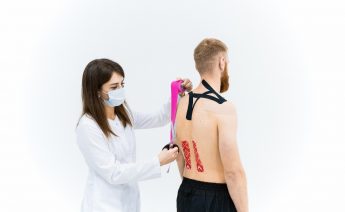
Physiotherapy methods can make a world of difference for individuals suffering from pain and discomf...
May
18
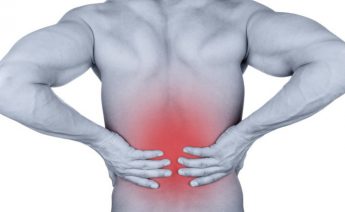
Lower back pain can be utterly debilitating and put a halt to one’s daily activities. Individuals ...
Dec
13
Doctors often recommend physical therapy to patients who suffer from injuries, bone MUSCULOSKELETAL ...

Dec
10
Physiotherapy essentially involves active and passive therapies as part of the multidisciplinary sci...
Dec
04
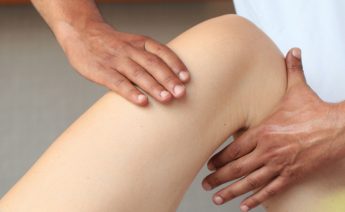
What is physiotherapy? Physiotherapy is primarily an evidence-based allied health care profession pr...
Nov
28
A physiotherapist is an expert caregiver, who is trained to restore your mobility, strength, and act...
Nov
18
Any kind of hip and back pain can adversely affect walking hence people should not hesitate to seek ...
Nov
05
Whether you are a trained athlete or a weekend player, there is always a risk of getting injured. Un...

Jun
25
If you are a runner, you are probably going to suffer from sore legs. Hence, it is a good idea to op...
Jun
19
The terms ‘Tendinopathy’ or ‘Tendonitis’ can baffle you if you are not from the medical back...

Jun
14
Are you aware of the fact that every 1 in 3 elderly has a fall? Not only falls can lead to severe in...
Jan
28
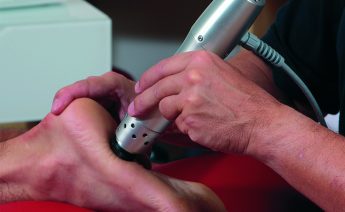
Shockwave has been used in treating various tendinopathies since the 1990s, however, there has been ...

Jan
13
Physical therapy could help seniors maintain their independence, whether they are managing a long-te...

Jan
13
Whether you suffer pain from arthritis, cancer treatments, fibromyalgia, or an old injury, you need ...

Nov
28
Rare bumps and bruises can be expected when kids play sports, however, more than 1.35 million childr...
Nov
28
Parent’s first priority should be Athlete safety, coaches, and players of all sports, from youth r...

Nov
28
Strains and Sprains are the most common type of sports injury, and can take place in nearly every ty...
Oct
15
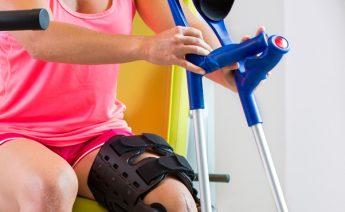
Sports injuries have side-lined a lot of athletes for games and careers. Injuries can often occur wh...
Oct
02
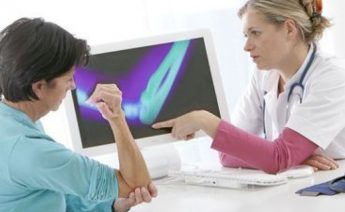
Elbow pain is very common which has a number of disorders which could be the cause. Elbow disorders ...
Sep
12
Low back pain is generally defined as pain, muscle tension or stiffness. Low back strain is usually ...
Aug
19
The Tensor Fasciae Latae (TFL) is a small but highly reactive muscle that serves as a cornerstone of...

Aug
18
Sciatica is the symptom of pain down the leg which is experienced due to a low back problem. The sc...

Jul
22
Muscle strain is an injury to a muscle as a result of a persistent activity. Virtually anyone can pu...

Feb
14
Chronic pain is a long-term pain that lasts more than 12 weeks. The physical effects of chronic pain...

Jan
21
There are five impressive health benefits of Rolfing: Improves Athletic Ability Rolfing upturns the ...
Sep
03
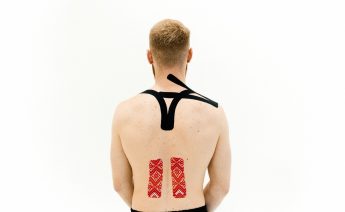
Back pain is a common problem that will affect most people at some point in their life. The most com...

Jun
27
Sprains A tear or stretch of the tissue connecting two bones (the ligament) is known as a sprain. Li...
Jun
27
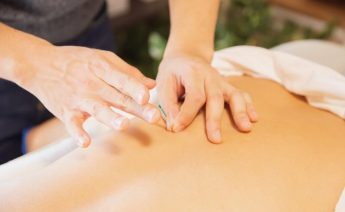
For patients going through breast cancer treatment, acupuncture is a brilliant form of therapy to he...

Jun
21
Neurological rehabilitation is a supervised program for people with disorders relationg to the nervo...

Jun
21
Here at Southgate Physio, our physiotherapists provide specialist treatment for a range of condition...

Jun
04
Spine and back pain can be difficult to deal with, causing stiffness, limited range of motion and it...
Jun
04
We at Southgate Physio are committed to provide you treatment facilities and rehabilitative care usi...